MDI Helping Center Blog

Recovery Resources & Blog

Expert insights on addiction treatment, mental health, and recovery from the clinical team at MDI Helping Center in Fairborn, Ohio. Empowering individuals and families with the knowledge to overcome substance use disorders.

Categories: Addiction Information Recovery Tips Mental Health Family Support News & Updates
5 tips for early recovery - MDI Helping Center
Recovery Tips — January 8, 2026

5 Tips for Early Recovery from MDI Helping Center Experts

How to help a loved one struggling with addiction in Ohio
Family Support — December 28, 2025

How to Help a Loved One Struggling with Addiction in Ohio

Understanding dual diagnosis treatment at MDI Helping Center
Mental Health — December 15, 2025

Understanding Dual Diagnosis Treatment at MDI Helping Center

MDI Helping Center new winter wellness programs
News & Updates — December 1, 2025

MDI Helping Center Welcomes New Winter Wellness Programs

The connection between mental health and addiction
Mental Health — November 20, 2025

The Connection Between Mental Health and Addiction

Recovery Tips — January 8, 2026

5 Tips for Early Recovery from MDI Helping Center Experts

By MDI Helping Center

Early recovery tips from MDI Helping Center in Fairborn Ohio

The first weeks and months of recovery from substance use disorder are often described as the most challenging period in a person's entire healing journey. At MDI Helping Center in Fairborn, Ohio, our clinical team has guided thousands of individuals through this critical phase, and we have seen firsthand that those who adopt certain strategies early on significantly improve their chances of long-term sobriety. Whether you are recovering from alcohol dependence, opioid addiction, heroin use, or any other substance use disorder, these five evidence-based tips can help you build a strong foundation for lasting recovery.

1. Build a Strong Support Network

Recovery does not happen in isolation. One of the most important steps you can take during early recovery is to surround yourself with people who support your sobriety. This may include family members, friends in recovery, counselors, and peer support specialists. At MDI Helping Center, we emphasize the importance of community from day one. Our residential and outpatient programs in Fairborn connect clients with group therapy sessions, 12-step meetings, and alumni networks that provide ongoing support long after formal treatment ends.

The Dayton and Fairborn area offers a wealth of recovery community resources, including local AA and NA meetings, SMART Recovery groups, and sober living environments. We encourage our clients to explore these options and find the combination of support that works best for their individual needs. Having people you can call during moments of temptation or difficulty is not a sign of weakness; it is one of the hallmarks of successful recovery.

2. Establish Healthy Daily Routines

Substance use disorders thrive on chaos and unpredictability. In contrast, recovery thrives on structure. Establishing consistent daily routines around sleep, meals, exercise, and therapeutic activities helps retrain the brain and body to function without the influence of drugs or alcohol. At MDI Helping Center, our residential program includes a structured daily schedule that teaches clients how to organize their time productively.

Start by setting a consistent wake-up and bedtime each day. Plan regular meals that include nutritious foods to help your body heal from the physical toll of addiction. Incorporate at least 30 minutes of physical activity daily, whether it is walking through one of Fairborn's parks, attending a yoga class, or working out at a gym. Physical exercise has been shown to reduce cravings, improve mood, and promote better sleep, all of which are essential during early recovery.

3. Identify and Manage Your Triggers

Triggers are people, places, situations, or emotions that can provoke cravings and increase the risk of relapse. Learning to identify your personal triggers is a critical skill that our therapists at MDI Helping Center teach throughout the treatment process. Common triggers include stress, social situations where substances are present, certain neighborhoods or locations associated with past use, and negative emotions such as loneliness, anger, or boredom.

Once you have identified your triggers, work with your treatment team to develop specific coping strategies for each one. This might include practicing mindfulness techniques, calling a sponsor, attending an extra recovery meeting, or removing yourself from a triggering situation. Our cognitive behavioral therapy and dialectical behavior therapy programs at MDI Helping Center equip clients with practical tools for managing triggers in real-world situations throughout Fairborn, Dayton, and beyond.

4. Prioritize Mental Health Care

Substance use disorders rarely exist in a vacuum. Many individuals who struggle with addiction to alcohol, opioids, heroin, fentanyl, cocaine, benzodiazepines, or other substances also experience co-occurring mental health conditions such as depression, anxiety, PTSD, or bipolar disorder. If these underlying conditions are not addressed, the risk of relapse increases significantly. MDI Helping Center's dual diagnosis program provides integrated treatment that addresses both addiction and mental health simultaneously, giving our clients in the Fairborn area the best possible chance at sustained recovery.

Do not neglect your mental health during early recovery. Attend all therapy appointments, take prescribed psychiatric medications as directed, and be honest with your treatment team about how you are feeling. Journaling, meditation, and creative expression are additional practices that can support your emotional well-being during this vulnerable period.

5. Set Realistic Goals and Celebrate Progress

Recovery is a marathon, not a sprint. Setting overly ambitious goals in early recovery can lead to frustration and disappointment, which are risk factors for relapse. Instead, focus on small, achievable milestones. Celebrate each day of sobriety, each therapy session attended, and each healthy choice made. At MDI Helping Center, we work with clients to develop personalized recovery plans with graduated goals that build confidence and momentum over time.

Remember that setbacks do not erase progress. If you experience a lapse, reach out to your support network immediately and get back on track. Our aftercare and outpatient programs at MDI Helping Center in Fairborn are designed to provide ongoing support for individuals at every stage of recovery. You do not have to do this alone, and help is always just a phone call away at (216) 340-9002.

Published by MDI Helping Center — January 8, 2026

Family Support — December 28, 2025

How to Help a Loved One Struggling with Addiction in Ohio

By MDI Helping Center

Helping a loved one with addiction in Ohio - family support resources

Watching someone you love struggle with addiction is one of the most painful experiences a family can endure. The feelings of helplessness, fear, anger, and grief that accompany a loved one's substance use disorder can be overwhelming. If you are a family member or close friend of someone battling addiction in Ohio, particularly in the Fairborn and Dayton area, know that you are not alone, and there are concrete steps you can take to help. At MDI Helping Center, we work with families every day, and we have seen the tremendous difference that informed, compassionate family support can make in a person's recovery journey.

Educate Yourself About Addiction

The first and most important step you can take is to educate yourself about addiction as a disease. Addiction is not a choice or a character flaw; it is a chronic brain disorder recognized by the American Medical Association and every major health organization worldwide. Understanding this fundamental truth will help you approach your loved one with compassion rather than blame. Learn about the specific substance your loved one is using, whether it is alcohol, opioids, heroin, fentanyl, methamphetamine, cocaine, benzodiazepines, or prescription medications, and understand the particular risks and withdrawal symptoms associated with that substance.

MDI Helping Center offers family education programs as part of our treatment services in Fairborn. These sessions provide families with a deeper understanding of how addiction affects the brain, what treatment involves, and how families can best support their loved one's recovery without enabling destructive behavior.

Learn the Difference Between Helping and Enabling

One of the most difficult challenges for families is distinguishing between helping and enabling. Enabling occurs when well-intentioned actions inadvertently make it easier for a person to continue using substances. Examples of enabling include giving money that may be used to purchase drugs, making excuses for missed responsibilities, covering up the consequences of substance use, or allowing drug use in your home. While these actions may feel like acts of love in the moment, they ultimately prolong the cycle of addiction.

True helping involves setting firm boundaries, expressing your love and concern honestly, and encouraging your loved one to seek professional treatment. At MDI Helping Center, our family counselors help Ohio families develop healthy boundaries that protect both the family's well-being and create an environment that motivates their loved one toward recovery.

Consider a Professional Intervention

If your loved one is resistant to seeking treatment, a professionally guided intervention may be appropriate. An intervention is a carefully planned conversation in which family members and close friends express their concerns and urge the person to accept help. Professional interventionists are trained to facilitate these conversations in a way that maximizes the likelihood of a positive outcome while minimizing conflict and emotional harm.

MDI Helping Center can connect families in the Fairborn, Dayton, and greater Ohio area with experienced interventionists who understand the local resources available and can help coordinate a seamless transition into treatment. Our admissions team is available around the clock at (216) 340-9002 to discuss intervention options and help families plan their next steps.

Take Care of Yourself

Supporting a loved one through addiction can take a serious toll on your own physical and mental health. Many family members develop what experts call codependency, a pattern of behavior in which your emotional well-being becomes entirely dependent on your loved one's behavior and recovery. This is neither sustainable nor healthy. It is essential that you prioritize your own self-care, seek individual counseling if needed, and consider joining a family support group such as Al-Anon or Nar-Anon.

The Fairborn and Dayton area offers numerous family support resources, and MDI Helping Center includes family therapy as an integral component of our treatment programs. Remember, you cannot pour from an empty cup. Taking care of yourself is not selfish; it is a necessary part of being able to show up as a source of strength for your loved one.

Know the Treatment Options Available in Ohio

Ohio offers a range of treatment options for individuals struggling with addiction, and understanding these options will help you guide your loved one toward appropriate care. MDI Helping Center in Fairborn provides a full continuum of care, including medically supervised detoxification for safe withdrawal management, residential inpatient treatment for immersive recovery, intensive outpatient programs for those who need flexibility, and dual diagnosis treatment for individuals with co-occurring mental health disorders. Our programs address addiction to all major substances, including alcohol, opioids, heroin, fentanyl, cocaine, methamphetamine, and benzodiazepines.

When you are ready to explore treatment options for your loved one, our admissions counselors at MDI Helping Center are here to help. We accept most major insurance plans and offer guidance on financing treatment. Call us at (216) 340-9002 to start a confidential conversation about how we can help your family begin the healing process.

Published by MDI Helping Center — December 28, 2025

Mental Health — December 15, 2025

Understanding Dual Diagnosis Treatment at MDI Helping Center

By MDI Helping Center

Dual diagnosis treatment for co-occurring disorders at MDI Helping Center

For many individuals struggling with substance use disorders, addiction does not exist in isolation. Research consistently shows that a significant percentage of people with addiction also experience one or more co-occurring mental health conditions, a situation clinically referred to as dual diagnosis or co-occurring disorders. At MDI Helping Center in Fairborn, Ohio, we have built our treatment philosophy around the understanding that addressing both addiction and mental health simultaneously is essential for achieving lasting recovery. Our integrated dual diagnosis program is designed to treat the whole person, not just the symptoms of substance use.

What Is Dual Diagnosis?

Dual diagnosis refers to the co-existence of a substance use disorder and a mental health disorder in the same individual. According to the Substance Abuse and Mental Health Services Administration (SAMHSA), approximately 9.2 million adults in the United States experience both a mental health disorder and a substance use disorder. Common combinations include depression and alcohol use disorder, anxiety and benzodiazepine addiction, PTSD and opioid dependence, bipolar disorder and cocaine use, and ADHD and stimulant misuse.

The relationship between mental health and addiction is complex and bidirectional. In some cases, individuals develop addiction after using substances to self-medicate untreated mental health symptoms. In other cases, chronic substance use triggers or worsens mental health conditions. Regardless of which came first, both conditions must be treated concurrently for recovery to be sustainable. This is the core principle behind MDI Helping Center's dual diagnosis approach.

How MDI Helping Center Approaches Dual Diagnosis

At our Fairborn facility, dual diagnosis treatment begins with a comprehensive biopsychosocial assessment conducted by our multidisciplinary clinical team. This assessment evaluates the individual's substance use history, mental health symptoms, medical history, family dynamics, trauma exposure, and social support systems. Based on this thorough evaluation, our team develops an individualized treatment plan that addresses all identified conditions.

Our dual diagnosis program integrates evidence-based therapies for both addiction and mental health, including cognitive behavioral therapy (CBT), dialectical behavior therapy (DBT), eye movement desensitization and reprocessing (EMDR) for trauma, motivational interviewing, group therapy, and psychopharmacological management by our on-staff psychiatric providers. This integrated approach ensures that clients are not simply receiving parallel treatment for two separate conditions but are receiving cohesive care that recognizes the interconnection between their mental health and substance use.

Common Co-Occurring Conditions We Treat

At MDI Helping Center, our clinical team has extensive experience treating a wide range of co-occurring conditions alongside addiction to alcohol, opioids, heroin, fentanyl, cocaine, methamphetamine, benzodiazepines, and other substances. The most common mental health conditions we treat in our dual diagnosis program include major depressive disorder, generalized anxiety disorder, post-traumatic stress disorder (PTSD), bipolar disorder, borderline personality disorder, attention-deficit/hyperactivity disorder (ADHD), and obsessive-compulsive disorder (OCD).

Each of these conditions presents unique challenges in the context of addiction recovery. For example, individuals with untreated depression may lack the motivation and energy needed to fully engage in recovery activities. Those with untreated anxiety may experience overwhelming urges to use substances as a coping mechanism. Our integrated approach at MDI Helping Center ensures that these barriers are addressed proactively, giving our clients in the Fairborn and Dayton area the best possible foundation for long-term sobriety and mental wellness.

The Importance of Integrated Treatment

Historically, addiction and mental health were treated as separate conditions in separate facilities, often with conflicting treatment philosophies. This fragmented approach left many individuals caught in a revolving door of treatment, relapsing because one condition was being addressed while the other was neglected. Modern research has conclusively demonstrated that integrated treatment, where both conditions are addressed by a unified treatment team using coordinated interventions, produces significantly better outcomes.

MDI Helping Center's dual diagnosis program in Fairborn reflects this evidence-based standard of care. Our team meets regularly to review each client's progress and adjust treatment plans as needed, ensuring that mental health and addiction treatment remain aligned throughout the recovery process. This coordination extends into our aftercare planning, where we connect clients with ongoing psychiatric care, therapy, and recovery support services in the Dayton area and across Ohio.

Getting Started with Dual Diagnosis Treatment

If you or a loved one is struggling with both addiction and a mental health condition, integrated dual diagnosis treatment may be the key to lasting recovery. MDI Helping Center's admissions team is available 24/7 to answer your questions, verify your insurance coverage, and help you take the first step toward healing. Contact us today at (216) 340-9002 or visit our facility at 75 E Dayton Yellow Springs Rd, Fairborn, OH 45324. Recovery from co-occurring disorders is possible, and we are here to help.

Published by MDI Helping Center — December 15, 2025

News & Updates — December 1, 2025

MDI Helping Center Welcomes New Winter Wellness Programs

By MDI Helping Center

New winter wellness programs at MDI Helping Center Fairborn Ohio

As the winter season settles over Fairborn and the greater Dayton area, MDI Helping Center is proud to announce the launch of several new wellness programs designed to enhance our clients' recovery experience during the colder months. Recognizing that the winter season brings unique challenges for individuals in recovery, including shorter daylight hours, increased isolation, holiday-related stress, and seasonal affective disorder, our clinical team has developed targeted programming to address these concerns while enriching our already comprehensive treatment offerings.

Seasonal Affective Disorder Awareness and Support

Seasonal affective disorder (SAD) affects millions of Americans each year, and individuals in recovery from addiction are particularly vulnerable to its effects. The reduced sunlight exposure during Ohio winters can disrupt circadian rhythms, lower serotonin levels, and increase feelings of depression and lethargy, all of which can heighten the risk of relapse. MDI Helping Center's new winter programming includes dedicated psychoeducation sessions on SAD, light therapy options for interested clients, and adjusted therapy schedules that maximize exposure to natural light during peak daylight hours at our Fairborn facility.

Our psychiatric team is also prepared to evaluate clients for seasonal mood changes and adjust medication management plans as needed. By proactively addressing the impact of winter weather on mental health, we aim to support our clients through the season while maintaining the momentum of their recovery.

Mindfulness and Meditation Winter Series

This winter, MDI Helping Center is introducing an expanded mindfulness and meditation program led by our certified mindfulness instructors. The series includes guided meditation sessions held every morning, breathing technique workshops twice weekly, a mindfulness-based stress reduction (MBSR) eight-week course, and body scan and progressive relaxation group sessions. Research has consistently shown that mindfulness practices reduce cravings, lower stress hormones, improve emotional regulation, and enhance overall well-being in individuals recovering from substance use disorders including alcohol, opioid, heroin, and fentanyl addiction.

These programs are available to clients in our residential program as well as participants in our outpatient programs, ensuring that individuals at every level of care at our Fairborn location can benefit from these evidence-based practices.

Nutrition and Wellness Kitchen Program

Proper nutrition is a cornerstone of physical and mental recovery, yet it is often overlooked in traditional addiction treatment. MDI Helping Center's new Nutrition and Wellness Kitchen Program brings a registered dietitian to our Fairborn campus to provide personalized nutritional counseling and lead interactive cooking workshops. Clients learn how to prepare healthy, affordable meals that support brain health and physical healing, skills that serve them well long after they leave our care.

The program covers topics such as how nutrition affects mood and cravings, healing the gut after prolonged substance use, meal planning and grocery shopping on a budget, and comfort food recipes that nourish rather than harm. These workshops are designed to be hands-on and enjoyable, providing a therapeutic activity that also builds practical life skills. Winter is the perfect time to focus on warm, nourishing meals that fuel recovery from the inside out.

Creative Arts Therapy Expansion

Expressive arts have long been recognized as powerful therapeutic tools in addiction recovery. This winter, MDI Helping Center is expanding our creative arts therapy offerings to include art therapy sessions with a licensed art therapist, music therapy groups featuring both listening and instrument-based activities, journaling and creative writing workshops, and a winter photography project documenting the beauty of recovery through the seasons in Fairborn and surrounding Ohio communities.

Creative arts therapy provides individuals with alternative ways to process difficult emotions, express experiences that may be hard to put into words, and discover new sources of meaning and joy in sobriety. For clients recovering from trauma-related addiction, art-based therapies can access emotional material that traditional talk therapy alone may not reach.

Holiday Recovery Support Groups

The holiday season can be an especially difficult time for individuals in recovery. Family gatherings, holiday parties, and cultural traditions often revolve around alcohol, and the emotional intensity of the season can trigger cravings for any substance. MDI Helping Center is offering special holiday-focused recovery support groups throughout November, December, and January. These groups provide a safe space for clients to discuss their holiday-related concerns, develop coping strategies for social situations, and plan substance-free celebrations with peers who understand their journey.

Our holiday programming also includes organized sober social events at our Fairborn facility, including a Thanksgiving gratitude dinner, a winter holiday celebration, and a sober New Year's gathering. These events demonstrate that joy, connection, and celebration are not only possible in sobriety but are often more meaningful and fulfilling than substance-fueled gatherings of the past.

How to Access These Programs

All new winter wellness programs are available to current and incoming clients at MDI Helping Center. If you or a loved one is considering treatment this winter, there has never been a better time to begin. Our enriched programming ensures that the winter months become a season of healing, growth, and transformation. Contact our admissions team at (216) 340-9002 to learn more about our programs and to start the admissions process. We are available 24/7 and accept most major insurance plans.

Published by MDI Helping Center — December 1, 2025

Mental Health — November 20, 2025

The Connection Between Mental Health and Addiction

By MDI Helping Center
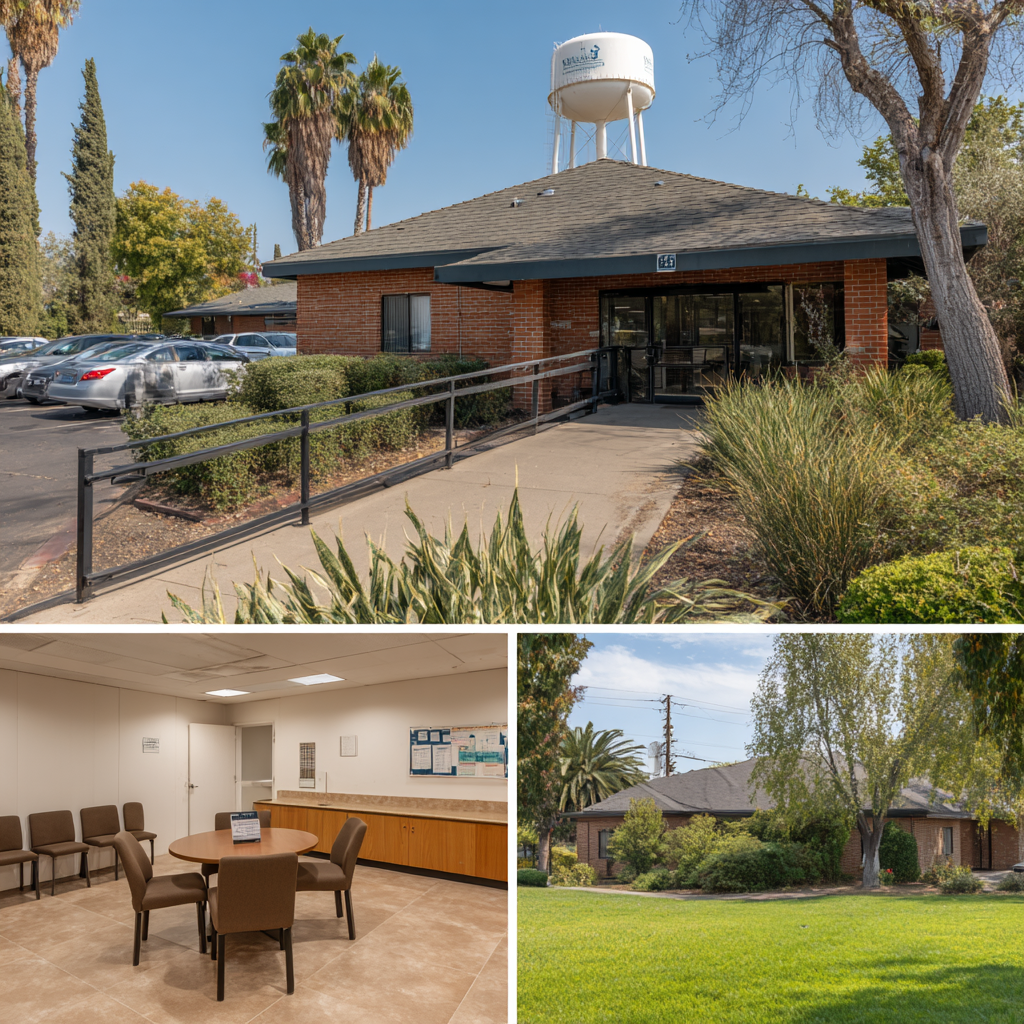
The connection between mental health and addiction - MDI Helping Center

The relationship between mental health and addiction is one of the most studied and most misunderstood aspects of substance use disorders. For decades, addiction was viewed primarily as a behavioral problem, disconnected from the broader landscape of mental health. Today, however, the scientific and clinical communities overwhelmingly recognize that mental health and addiction are deeply intertwined, each influencing and exacerbating the other in a complex cycle that demands integrated treatment. At MDI Helping Center in Fairborn, Ohio, understanding and addressing this connection is at the heart of everything we do.

The Self-Medication Hypothesis

One of the most widely accepted theories explaining the connection between mental health and addiction is the self-medication hypothesis. This theory proposes that many individuals turn to drugs or alcohol not in pursuit of pleasure, but in an attempt to alleviate the pain of untreated mental health symptoms. A person suffering from chronic anxiety may discover that alcohol temporarily quiets the constant worry. Someone living with the flashbacks and hypervigilance of PTSD may find that opioids or heroin provide a numbing relief. An individual with untreated depression may use cocaine or methamphetamine to temporarily elevate their mood and energy levels.

While these substances may provide short-term symptom relief, they inevitably worsen the underlying mental health condition over time, creating a vicious cycle. The temporary relief reinforces the substance use behavior, while the neurological damage caused by chronic substance use deepens the mental health symptoms, driving increased use. At MDI Helping Center, we see this pattern repeatedly in clients from Fairborn, Dayton, and across Ohio, and our treatment approach is specifically designed to break this destructive cycle.

How Substances Alter Brain Chemistry

To understand why mental health and addiction are so closely linked, it helps to understand how substances affect the brain. Every addictive substance, whether it is alcohol, opioids, heroin, fentanyl, cocaine, methamphetamine, or benzodiazepines, acts on the brain's neurotransmitter systems. These are the same systems that regulate mood, anxiety, sleep, motivation, and overall emotional well-being. When substances artificially flood the brain with neurotransmitters like dopamine, serotonin, or GABA, the brain responds by reducing its own natural production of these chemicals.

Over time, the brain becomes dependent on the substance to maintain even baseline levels of these crucial neurotransmitters. Without the substance, the individual experiences not only physical withdrawal symptoms but also severe emotional and psychological distress, including depression, anxiety, irritability, and anhedonia, the inability to experience pleasure from normally enjoyable activities. This neurochemical disruption can persist for months or even years after the person stops using substances, which is why ongoing mental health support is essential during recovery.

Genetic and Environmental Factors

Research has identified significant genetic and environmental overlap between mental health disorders and substance use disorders. Many of the same genetic variations that increase vulnerability to conditions like depression, anxiety, and bipolar disorder also increase the risk of developing addiction. Similarly, environmental factors such as childhood trauma, chronic stress, poverty, and social isolation are risk factors for both mental health disorders and substance use disorders.

In Ohio, and particularly in communities like Fairborn and the greater Dayton area, the intersection of economic challenges, the opioid crisis, and limited mental health resources has created conditions that amplify both mental health problems and addiction. MDI Helping Center was established with the explicit mission of addressing this dual challenge, providing comprehensive care that recognizes the social and environmental context of our clients' struggles.

The Importance of Screening and Assessment

Given the strong connection between mental health and addiction, thorough screening and assessment at the point of entry into treatment is essential. At MDI Helping Center, every client undergoes a comprehensive evaluation that includes validated screening instruments for depression, anxiety, PTSD, bipolar disorder, and other common co-occurring conditions. Our clinical team uses this information to develop individualized treatment plans that address the full spectrum of each client's needs.

Unfortunately, many treatment programs still fail to adequately screen for co-occurring mental health conditions, leaving a significant portion of their clients' needs unaddressed. This oversight is one of the primary reasons for the high relapse rates seen in traditional addiction treatment. At MDI Helping Center, we refuse to take shortcuts with assessment. We believe that every person who walks through our doors in Fairborn deserves a thorough understanding of all the factors contributing to their substance use, and a treatment plan that addresses each one.

Moving Forward with Integrated Care

The connection between mental health and addiction is not a complication to be managed; it is a reality to be embraced in the design and delivery of effective treatment. At MDI Helping Center, our integrated approach ensures that clients receive simultaneous, coordinated care for both their substance use disorder and any co-occurring mental health conditions. Our multidisciplinary team includes addiction counselors, licensed therapists, psychiatric nurse practitioners, and medical professionals who collaborate daily to provide seamless, comprehensive care.

If you or someone you love is struggling with the intertwined challenges of mental health and addiction, we encourage you to reach out to MDI Helping Center. Our Fairborn, Ohio facility is equipped to provide the integrated care that the connection between these conditions demands. Call us at (216) 340-9002 to speak with a member of our admissions team. We are available 24 hours a day, 7 days a week, and we are ready to help you take the first step toward comprehensive healing.

Published by MDI Helping Center — November 20, 2025

Need Help Now?

Our admissions team at MDI Helping Center in Fairborn, Ohio is available around the clock to answer your questions and help you begin your recovery journey.

(216) 340-9002
Contact Us Today Start Admissions