A Full Continuum of Addiction Treatment
At MDI Helping Center, we understand that recovery is not one-size-fits-all. Our treatment programs span every level of care, ensuring that each patient receives the right intensity of support at every stage of their recovery journey. Located in Fairborn, Ohio, our facility provides a structured, compassionate environment where healing begins.

Medical Detox
Safe, medically supervised withdrawal management with 24/7 monitoring and medication-assisted treatment. Duration: 3-7 days.
Learn More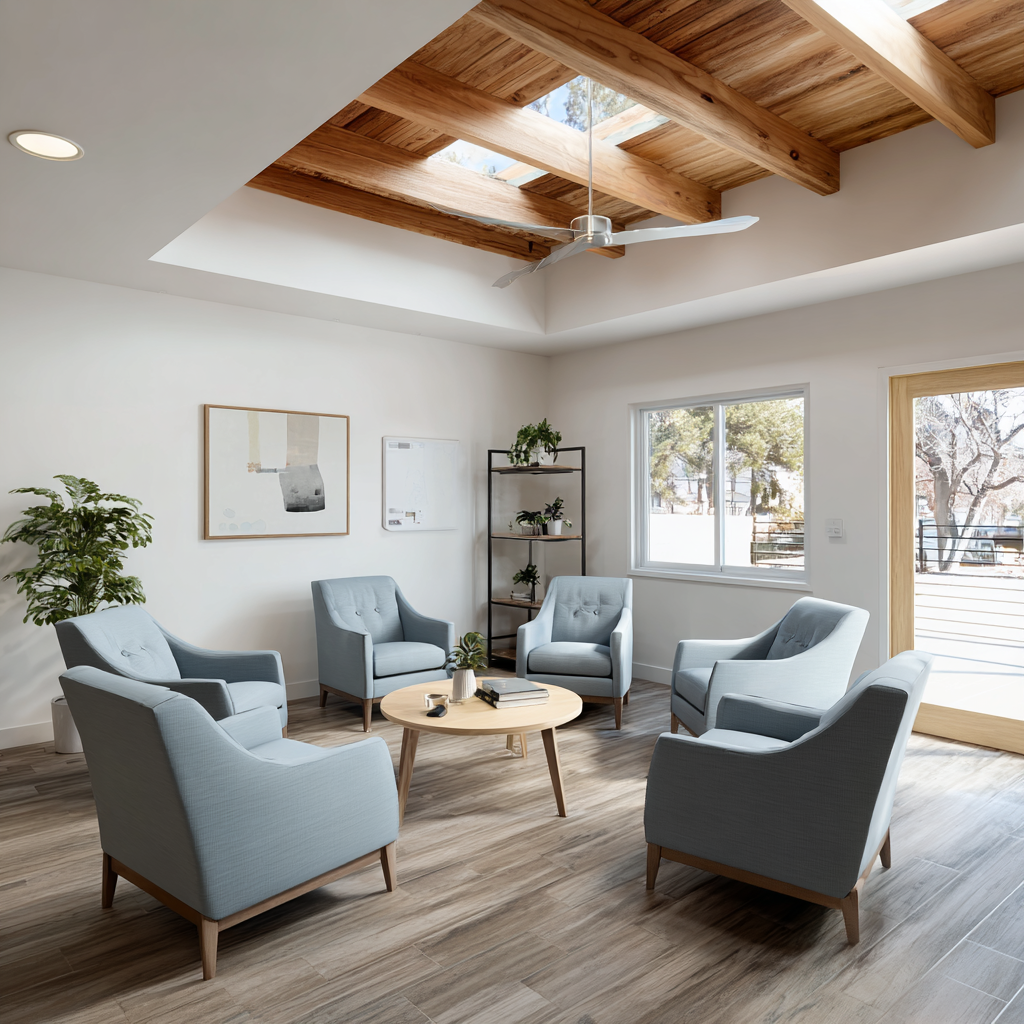
Residential Treatment
Immersive, round-the-clock therapeutic care in a structured living environment. Programs available in 30, 60, and 90-day options.
Learn More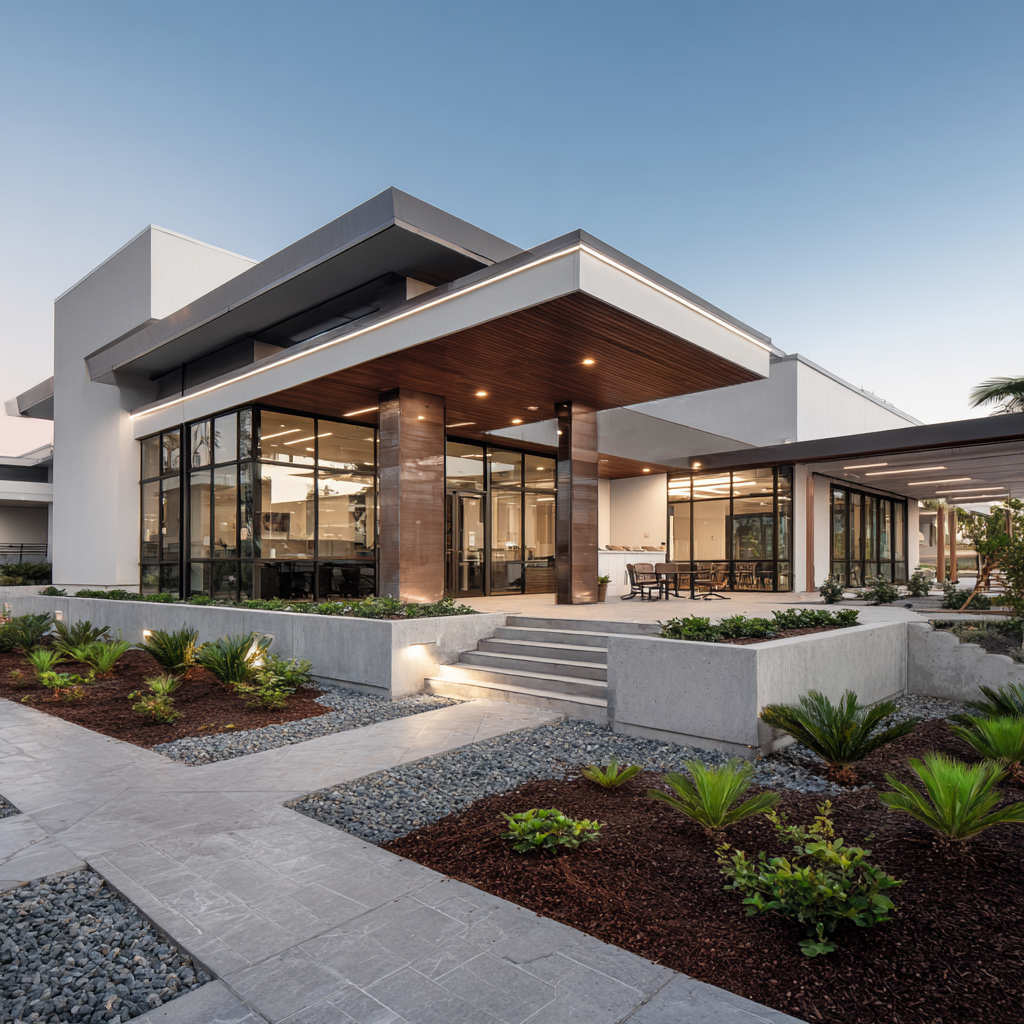
Outpatient Programs
Flexible PHP, IOP, and standard outpatient options that allow you to receive treatment while maintaining daily responsibilities.
Learn More
Dual Diagnosis
Integrated treatment for co-occurring mental health and substance use disorders, addressing the whole person for sustained recovery.
Learn MoreUnderstanding Levels of Care
Addiction treatment is structured into distinct levels of care, each designed to provide a specific intensity of support. The American Society of Addiction Medicine (ASAM) criteria guide our clinical team in determining the appropriate level of care for each patient based on the severity of addiction, medical needs, mental health status, and social environment. As patients progress in their recovery, they typically step down through these levels, gradually building independence while maintaining therapeutic support.
| Level of Care | Setting | Duration | Hours/Week | Best For |
|---|---|---|---|---|
| Medical Detox | Inpatient | 3-7 days | 24/7 | Physical dependence, withdrawal management |
| Residential | Inpatient | 30-90 days | 24/7 | Severe addiction, unstable home environment |
| PHP | Outpatient | 2-4 weeks | 20-30 hrs | Step-down from residential, high structure needed |
| IOP | Outpatient | 8-12 weeks | 9-15 hrs | Moderate addiction, work/school obligations |
| Standard Outpatient | Outpatient | Ongoing | 1-8 hrs | Maintenance, relapse prevention, aftercare |
Medical Detoxification
What Is Medical Detox?
Medical detoxification is the critical first step in addiction treatment. It involves the safe, medically supervised process of eliminating addictive substances from the body while managing the physical and psychological symptoms of withdrawal. At MDI Helping Center, our detox program takes place in our Fairborn, Ohio facility under the continuous care of physicians, nurses, and clinical staff who specialize in addiction medicine.
Attempting to quit drugs or alcohol without medical supervision can be dangerous and, in some cases, life-threatening. Withdrawal from substances such as alcohol, benzodiazepines, and opioids can produce severe symptoms including seizures, delirium tremens, cardiac complications, and extreme dehydration. Our medical team ensures that every patient is safe, comfortable, and supported throughout the entire detox process.
Why Medical Supervision Matters
Withdrawal symptoms can range from mildly uncomfortable to medically dangerous depending on the substance, duration of use, and individual health factors. Medical supervision provides:
- 24/7 vital sign monitoring and medical oversight
- Medication-Assisted Treatment (MAT) to reduce cravings and ease withdrawal
- Prevention and immediate treatment of medical complications
- Nutritional support and hydration management
- Emotional and psychological support to manage anxiety and distress
- Significantly higher completion rates compared to unsupervised withdrawal
The Detox Process
Assessment
Upon arrival, our medical team conducts a comprehensive evaluation including physical examination, substance use history, mental health screening, and laboratory testing. This assessment determines the safest and most effective detox protocol for your specific needs.
Stabilization
During the active detox phase, our clinical staff provides around-the-clock medical monitoring and administers appropriate medications to manage withdrawal symptoms. We adjust treatment protocols in real-time based on your body's response to ensure maximum safety and comfort.
Transition
As withdrawal symptoms subside, our team works with you to develop a seamless transition plan into the next phase of treatment. Whether that means residential care, outpatient programming, or dual diagnosis treatment, continuity of care is essential for long-term success.
Substances We Treat
Our medical detox program at MDI Helping Center is equipped to safely manage withdrawal from a wide range of addictive substances:
Medication-Assisted Treatment (MAT)
MAT combines FDA-approved medications with counseling and behavioral therapies to treat substance use disorders. Depending on your specific needs, our physicians may prescribe medications such as buprenorphine, naltrexone, or other evidence-based pharmacological interventions to reduce cravings, block the effects of substances, and normalize body chemistry. MAT has been proven to increase treatment retention, decrease illicit drug use, and reduce the risk of overdose.
Program Duration: 3-7 Days
The length of medical detox varies depending on the substance, severity of dependence, and individual response to treatment. Most patients complete detox within 3 to 7 days before transitioning to the next appropriate level of care. Our clinical team monitors progress daily and adjusts the timeline as needed to ensure a safe and thorough detoxification.
Residential Treatment
What Is Residential Treatment?
Residential treatment, also known as inpatient rehabilitation, provides a fully immersive therapeutic environment where patients live at our Fairborn, Ohio facility while receiving intensive, round-the-clock addiction treatment. This program removes individuals from the triggers, stressors, and environments that contributed to their substance use, allowing them to focus entirely on recovery.
Our residential program combines evidence-based therapies including Cognitive Behavioral Therapy (CBT), Dialectical Behavior Therapy (DBT), group therapy, individual counseling, family therapy, 12-step facilitation, and holistic therapies. Each patient receives a personalized treatment plan developed by our multidisciplinary clinical team, addressing the biological, psychological, and social dimensions of addiction.
Who Is Residential Treatment For?
Residential treatment is recommended for individuals who:
- Have completed medical detox and need continued intensive care
- Have a history of relapse or unsuccessful outpatient treatment
- Live in an unstable or triggering home environment
- Have severe or long-standing substance use disorders
- Need a structured environment free from distractions
- Have co-occurring mental health conditions requiring close monitoring
Sample Daily Schedule
Our residential program follows a structured daily routine designed to build healthy habits, provide consistent therapeutic engagement, and foster community among patients.
Program Duration Options
We offer flexible residential treatment durations to accommodate different levels of need. Research consistently shows that longer treatment stays are associated with better long-term outcomes.
30-Day Program
Foundational recovery for individuals with moderate addiction severity. Includes core therapeutic programming, skill development, and initial relapse prevention planning.
60-Day Program
Extended care for deeper therapeutic work. Allows additional time to address underlying trauma, build coping strategies, and strengthen recovery foundations.
90-Day Program
Comprehensive, long-term treatment recommended for severe or chronic addiction. Provides the most thorough approach to behavioral change and sustained sobriety.
Outpatient Programs
MDI Helping Center offers multiple outpatient treatment options for individuals who need structured addiction care while maintaining their daily responsibilities such as work, school, or family obligations. Our outpatient programs in Fairborn, Ohio provide evidence-based therapeutic services in a supportive clinical setting, allowing patients to apply recovery skills in real-world situations from the start.
Outpatient treatment can serve as a step-down from residential care or as a primary level of treatment for individuals with mild to moderate substance use disorders. Our clinical team works closely with each patient to determine the most appropriate outpatient track based on clinical assessment, individual circumstances, and treatment goals.
Partial Hospitalization Program (PHP)
Duration: 2-4 weeks | 20-30 hours per week | 5-6 days per week
Our Partial Hospitalization Program is the most intensive outpatient option, providing near-residential levels of care while allowing patients to return home or to a sober living environment in the evenings. PHP is ideal for patients stepping down from residential treatment or those who need a highly structured program but do not require 24-hour supervision.
PHP programming includes daily group therapy, individual counseling sessions, psychiatric monitoring, medication management, evidence-based skill-building workshops (CBT, DBT), family therapy sessions, and holistic therapies. Patients attend programming at our Fairborn facility for approximately 6 hours per day, 5 to 6 days per week.
Intensive Outpatient Program (IOP)
Duration: 8-12 weeks | 9-15 hours per week | 3-5 days per week
The Intensive Outpatient Program at MDI Helping Center offers a structured yet flexible approach to addiction treatment. IOP allows patients to continue working, attending school, or fulfilling family responsibilities while receiving consistent, high-quality therapeutic care. Sessions are typically scheduled during morning or evening hours to accommodate varying schedules.
IOP programming includes group therapy, individual counseling, relapse prevention education, life skills training, peer support, and family involvement. This level of care is appropriate for patients transitioning from PHP, those with moderate addiction who have a stable living environment, or individuals who have completed residential treatment and are stepping down in their care continuum.
Standard Outpatient
Duration: Ongoing | 1-8 hours per week | 1-2 days per week
Standard outpatient treatment provides ongoing support for individuals who have progressed through higher levels of care or those with mild substance use issues. This program focuses on maintaining recovery gains, preventing relapse, and building long-term coping strategies through individual therapy sessions, periodic group meetings, and continued psychiatric oversight as needed.
Standard outpatient also serves as an aftercare component, keeping patients connected to their recovery community and clinical support system as they transition back to independent living. Sessions are typically scheduled once or twice per week, making this the most flexible treatment option we offer.
Outpatient Programs Comparison
| Feature | PHP | IOP | Standard Outpatient |
|---|---|---|---|
| Hours per Week | 20-30 hours | 9-15 hours | 1-8 hours |
| Days per Week | 5-6 days | 3-5 days | 1-2 days |
| Duration | 2-4 weeks | 8-12 weeks | Ongoing |
| Group Therapy | Daily | 3-5x/week | As scheduled |
| Individual Therapy | 2-3x/week | 1-2x/week | 1x/week |
| Psychiatric Care | Included | Included | As needed |
| Family Therapy | Weekly | Bi-weekly | As needed |
| Best For | Step-down from residential | Moderate addiction with stable home | Maintenance & aftercare |
Dual Diagnosis Treatment
What Is Dual Diagnosis?
Dual diagnosis, also known as co-occurring disorders, refers to the simultaneous presence of a substance use disorder and one or more mental health conditions. Research shows that nearly half of all individuals who experience a substance use disorder will also experience a mental health disorder during their lifetime, and vice versa. These conditions are deeply interconnected: untreated mental health issues often drive substance use as a form of self-medication, while chronic substance abuse can trigger or worsen psychiatric symptoms.
At MDI Helping Center, we believe that treating addiction without addressing underlying mental health conditions is incomplete care. Our dual diagnosis program in Fairborn, Ohio provides fully integrated treatment that simultaneously addresses both substance use and mental health disorders, giving patients the comprehensive support they need for lasting recovery.
Common Co-Occurring Disorders We Treat
Depression
Major depressive disorder and persistent depressive disorder commonly co-occur with substance abuse. Symptoms include persistent sadness, loss of interest, fatigue, and feelings of worthlessness. Our integrated approach combines antidepressant medication management with CBT and behavioral activation strategies.
Anxiety Disorders
Generalized anxiety disorder, social anxiety, and panic disorder frequently accompany addiction. Many individuals turn to substances to manage overwhelming anxiety symptoms. Treatment includes exposure therapy, relaxation training, medication management, and CBT-based anxiety reduction techniques.
Post-Traumatic Stress Disorder (PTSD)
Trauma and addiction share a strong bidirectional relationship. Our trauma-informed care approach integrates evidence-based PTSD treatments such as EMDR and trauma-focused CBT alongside addiction counseling, addressing the root causes of substance use in a safe, supportive environment.
Bipolar Disorder
The mood extremes of bipolar disorder, from manic highs to depressive lows, significantly increase vulnerability to substance abuse. Our psychiatric team provides mood stabilization through medication management while therapists work on behavioral strategies for managing both conditions simultaneously.
Our Integrated Approach
Unlike traditional treatment models that address addiction and mental health separately, our integrated dual diagnosis approach treats both conditions simultaneously within a single, coordinated treatment plan. This means our psychiatrists, therapists, and clinical staff work as a unified team, sharing information and adjusting treatment strategies collaboratively to ensure that both the substance use disorder and the mental health condition receive equal clinical attention.
Our integrated model recognizes that these conditions influence each other: improvements in mental health support recovery from addiction, and sobriety creates the stability needed for effective psychiatric treatment. By addressing both together, we break the cycle that keeps patients trapped in a pattern of relapse and recurring mental health crises.
Psychiatric Care & Therapy Modalities
Our dual diagnosis treatment combines comprehensive psychiatric services with a range of evidence-based therapeutic modalities:
Cognitive Behavioral Therapy (CBT)
Identifies and restructures negative thought patterns that contribute to both substance use and mental health symptoms. Develops practical coping skills for managing triggers and emotional distress.
Dialectical Behavior Therapy (DBT)
Teaches mindfulness, distress tolerance, emotion regulation, and interpersonal effectiveness. Particularly effective for patients with mood instability, impulsivity, and self-destructive behaviors.
Individual Counseling
One-on-one sessions with a licensed therapist to explore personal history, identify underlying issues, set recovery goals, and develop individualized strategies for sustained sobriety and mental wellness.
Group Therapy
Facilitated sessions where patients with similar experiences share challenges, build peer support networks, and practice interpersonal skills in a safe, structured environment.
Family Therapy
Involves family members in the recovery process to heal relational damage, improve communication, establish healthy boundaries, and create a supportive home environment for sustained recovery.
Psychiatric Medication Management
Board-certified psychiatrists evaluate, prescribe, and monitor psychiatric medications to stabilize mood, reduce anxiety, manage psychotic symptoms, and support overall mental health alongside addiction recovery.
Not Sure Which Program Is Right for You?
Our admissions team is available 24/7 to answer your questions, discuss your situation, and help determine the best treatment plan for your unique needs. Every call is free and confidential.
(216) 340-9002